
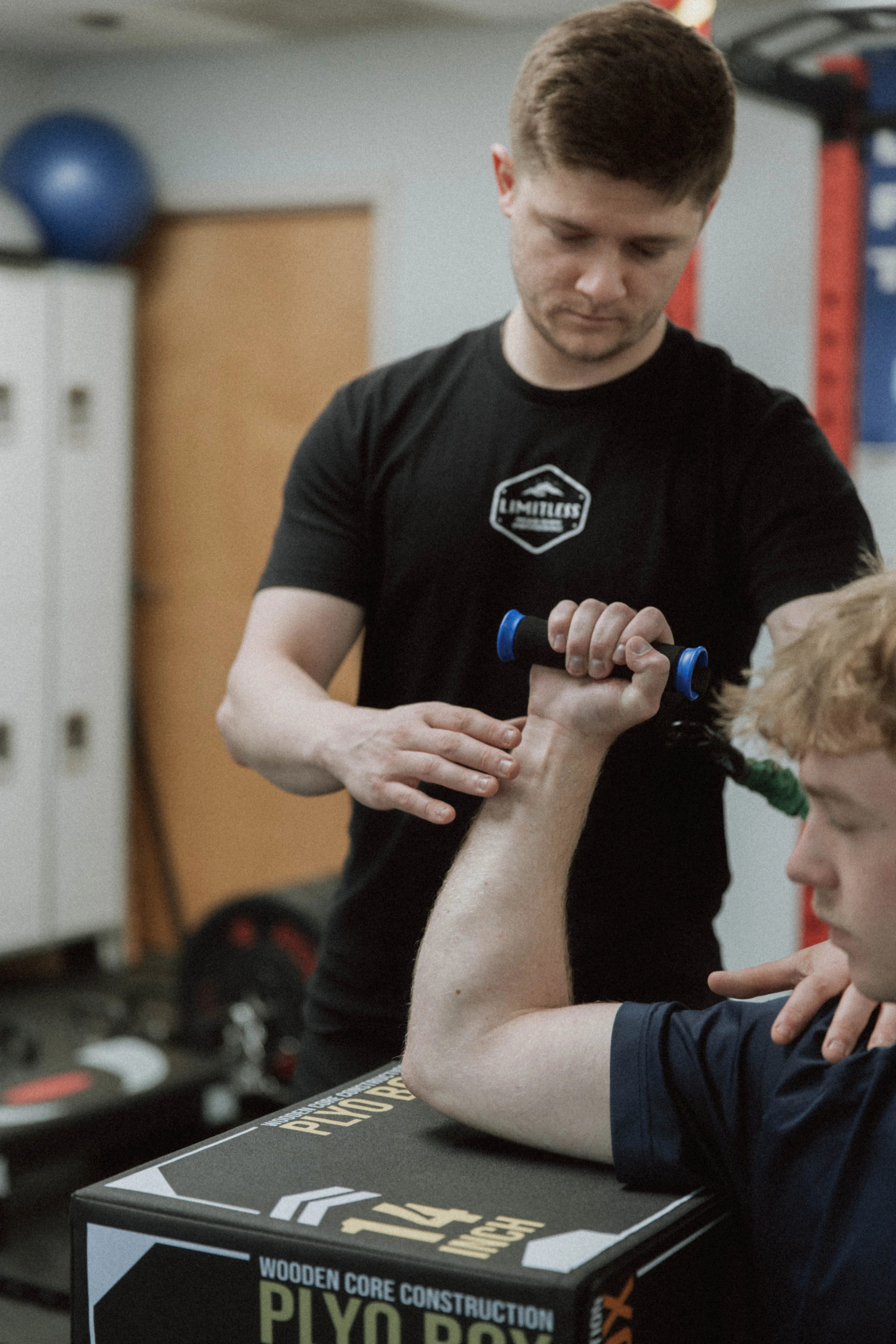
What We Treat
Whether it's a lingering ache, a sports injury, or recovery after surgery — we find the root cause and build a plan to fix it.
ACL Tear
An ACL tear is an injury to the anterior cruciate ligament, the band that stabilizes the knee, often caused by twisting, awkward landings, sports, or impact. Depending on severity, the clinic helps patients recover through physical therapy exercises and stretches that rebuild knee strength and flexibility. With proper rehabilitation, many people return to their favorite activities.
Learn more →Arthritis
Arthritis is an umbrella term for conditions affecting the joints and surrounding tissues, most commonly osteoarthritis and rheumatoid arthritis. While there is no cure, physical therapy helps maintain joint flexibility and strength and manages pain to slow the disease's progression. The clinic offers customized care to alleviate discomfort and improve mobility.
Learn more →Back Pain / Sciatica
Back pain is localized to the upper, mid, or low back, while sciatica is a diffuse, radiating pain down the buttock, thigh, and leg from compression of the sciatic nerve. Physical therapy is offered as a first-choice, drug-free treatment that addresses the root cause rather than masking symptoms. Treatment starts with pain relief, then progresses to core strengthening, stretching, and ergonomics to prevent re-injury.
Learn more →Balance and Gait Disorders
Balance and gait disorders affect a person's ability to stand and walk steadily, making everyday tasks challenging and raising the risk of falls. Causes include inner-ear problems, neurological conditions, musculoskeletal issues, medications, and aging. Physical therapy improves strength, coordination, and balance through specific exercises and techniques.
Learn more →Chronic Pain
Chronic pain is persistent discomfort lasting months or years, often without a pinpointable cause and sometimes undetectable through traditional testing. Physical therapists evaluate range of motion, habits, and comfort level to build a plan of muscle-strengthening exercises and therapeutic methods for lasting relief. Techniques target the underlying cause to improve strength, flexibility, and posture.
Learn more →Concussion Management
A concussion is a traumatic brain injury from a blow or jolt to the head, causing symptoms like headaches, dizziness, memory loss, and confusion. Physical therapy aids recovery through vestibular rehabilitation (inner ear/balance) and cervical spine rehabilitation (neck), tailored and gradually progressed for each patient. Goals include reducing symptoms, improving balance and coordination, promoting healing, enhancing cognition, and preventing future injury.
Learn more →Dizziness and Vertigo
Dizziness is a feeling of lightheadedness or disorientation, while vertigo is a sensation of spinning or moving while still, both often caused by inner-ear and vision-tracking problems. After an evaluation, certified physical therapists assess balance, reflexes, and movement to create a customized plan. Many patients find relief with specialized head movements in one or two sessions, sometimes within minutes.
Learn more →Foot & Ankle Pain
Foot and ankle pain can arise suddenly from acute injury or develop over time from chronic conditions such as fallen arches, arthritis, tarsal tunnel syndrome, plantar fasciitis, bursitis, tendinitis, fractures, or strains and sprains. After a thorough examination, physical therapists create a personalized plan combining hands-on manual therapy, exercises, and stretching to restore joint mobility, improve balance, and strengthen the foot and ankle. They may also recommend orthotics and lifestyle changes to prevent future problems.
Learn more →Headaches
Headaches, including tension, migraine, and cluster types, can be caused by stress, tension, poor posture, and muscle weakness. Physical therapy is an effective way to manage headaches, particularly tension headaches, by correcting posture, strengthening neck and shoulder muscles, and applying manual therapy. Therapists also educate patients on managing posture and stress to reduce headache frequency and severity.
Learn more →Hip & Knee Pain
The hips and knees are the body's largest joints and can develop pain from aging, overuse, arthritis, fractures, sports injuries, or ligament and cartilage damage. Physical therapy manages pain, restores strength, and improves mobility through a non-invasive, drug-free treatment plan targeting the root cause. Manual techniques and mobilizations reduce pain and inflammation, restore range of motion, and strengthen the joints.
Learn more →Hip Replacement Surgery
Hip replacement surgery replaces a damaged or worn-out hip joint with artificial components to restore mobility and reduce pain, typically needed for severe osteoarthritis, rheumatoid arthritis, or hip fractures. Physical therapy is a key part of recovery, helping patients regain strength, flexibility, and mobility after surgery. Rehabilitation supports a successful return to an active, pain-free life.
Learn more →Joint Pain
Joint pain is discomfort, soreness, or achiness in one or more joints, affecting people of all ages and caused by arthritis, injury, overuse, or infection. Physical therapy provides exercises and techniques to improve joint strength and flexibility as part of a treatment plan based on cause and severity. Proper diagnosis and care help many people manage or alleviate the pain and stay active.
Learn more →Knee Replacement Surgery
Knee replacement surgery replaces damaged parts of the knee joint with artificial metal and plastic components to restore function and reduce pain, typically for severe osteoarthritis, rheumatoid arthritis, or post-traumatic arthritis. Physical therapy is central to recovery, helping patients regain strength, flexibility, and mobility after surgery. Rehabilitation supports a return to an active, pain-free lifestyle.
Learn more →Motor Vehicle Accident
Motor vehicle accidents, even low-speed collisions, can cause whiplash, concussions, and other injuries that lead to chronic pain and disability if untreated. The clinic offers specialized programs that begin with a comprehensive assessment and diagnosis, then a personalized plan to restore pre-accident function. Care uses a holistic approach combining pain management, mobility work, and gradual return to activity.
Learn more →Neck Pain
Neck pain ranges from a dull, constant ache to sharp, stabbing pains and is most often caused by injuries, muscle strain, nerve compression, illness, or joint degeneration. Physical therapy is presented as the best treatment: therapists evaluate range of motion and limitations, then use manual therapy and targeted exercises to reduce stiffness and relieve pain. They also work on posture to aid recovery and prevent future injuries.
Learn more →Parkinson's Disease
Parkinson's disease is a progressive neurodegenerative disorder affecting the central nervous system, characterized by tremors, rigidity, and difficulty with movement, balance, and coordination. While there is no cure, physical therapy helps patients maintain independence, improve balance, reduce fall risk, and preserve range of motion and strength. Therapists specializing in neurological rehabilitation build personalized plans of exercises, manual therapy, modalities, and education.
Learn more →Plantar Fasciitis
Plantar fasciitis is inflammation and irritation of the plantar fascia, the thick band of tissue along the bottom of the foot, causing heel pain. It is often linked to overuse, poor footwear, foot type, excess weight, or age, and can usually be treated without surgery. A physical therapist teaches exercises and techniques to improve foot strength and flexibility as part of a broader treatment plan.
Learn more →Rotator Cuff Tears
A rotator cuff tear is a common shoulder injury to the muscles and tendons around the shoulder joint, causing pain and limiting shoulder use. Causes include aging, injury or trauma, and repetitive overhead movements. For minor tears, rest and physical therapy exercises help strengthen the shoulder muscles and improve range of motion.
Learn more →Shoulder Pain
Shoulder pain arises from the complex ball-and-socket joint and has many causes, including arthritis, tendonitis, bursitis, dislocation, and frozen shoulder. Physical therapy offers a safe, non-invasive alternative to painkillers or surgery, using diagnostic techniques to pinpoint the cause and a tailored mix of methods to manage or relieve pain. Treatment commonly includes manual therapy, range-of-motion work, and strengthening exercises.
Learn more →Sports Injuries
Athletes at every level risk repetitive-use, soft tissue, and traumatic injuries, and the clinic helps them recover quickly and regain full range of motion and strength. Custom treatment plans reduce inflammation and pain and rebuild strength, mobility, and stamina for a safe return to sport. Sports therapy also covers post-surgical rehab, injury prevention, and performance enhancement programs.
Learn more →Stroke
A stroke is caused by a disruption in blood supply to the brain, leading to brain damage and a range of physical and cognitive symptoms. Physical therapy is an essential part of stroke treatment, helping patients recover mobility, strength, and independence through personalized plans. Therapists tailor treatment to each patient's specific needs to improve overall quality of life.
Learn more →Tendinitis
Tendinitis is inflammation or irritation of a tendon, the bands that attach muscles to bones, usually from overuse, repetitive motion, age, or injury. Types include rotator cuff tendinitis, tennis elbow, Achilles tendinitis, and golfer's elbow. Physical therapists provide exercises and techniques to strengthen the affected tendon and improve flexibility as part of a treatment plan.
Learn more →Thoracic Outlet Syndrome (TOS)
Thoracic Outlet Syndrome is caused by pressure on the nerves and blood vessels passing through the narrow space between the collarbone and first rib, producing pain, numbness, and tingling in the neck, shoulder, and arm. It can stem from anatomy such as an extra rib, injury, or poor posture, with neurogenic, vascular, and nonspecific types. Physical therapy exercises and stretches help relieve symptoms and improve posture.
Learn more →TMJ/TMD
TMJ/TMD is a disorder of the jaw muscles and nerves caused by injury to the temporomandibular joint between the jaw and skull, often driven by poor posture, teeth grinding, stress, or arthritis. After a thorough evaluation, Limitless physical therapists (a TMD specialty) identify the root cause and build a plan to relieve pain and restore natural jaw movement. Treatment focuses on relaxation, stretching, and releasing tight muscles, often resolving TMJ without surgery.
Learn more →
Ready to move without limits?
One-on-one care built around your goals. No cookie-cutter protocols — just a plan to get you back to full strength.